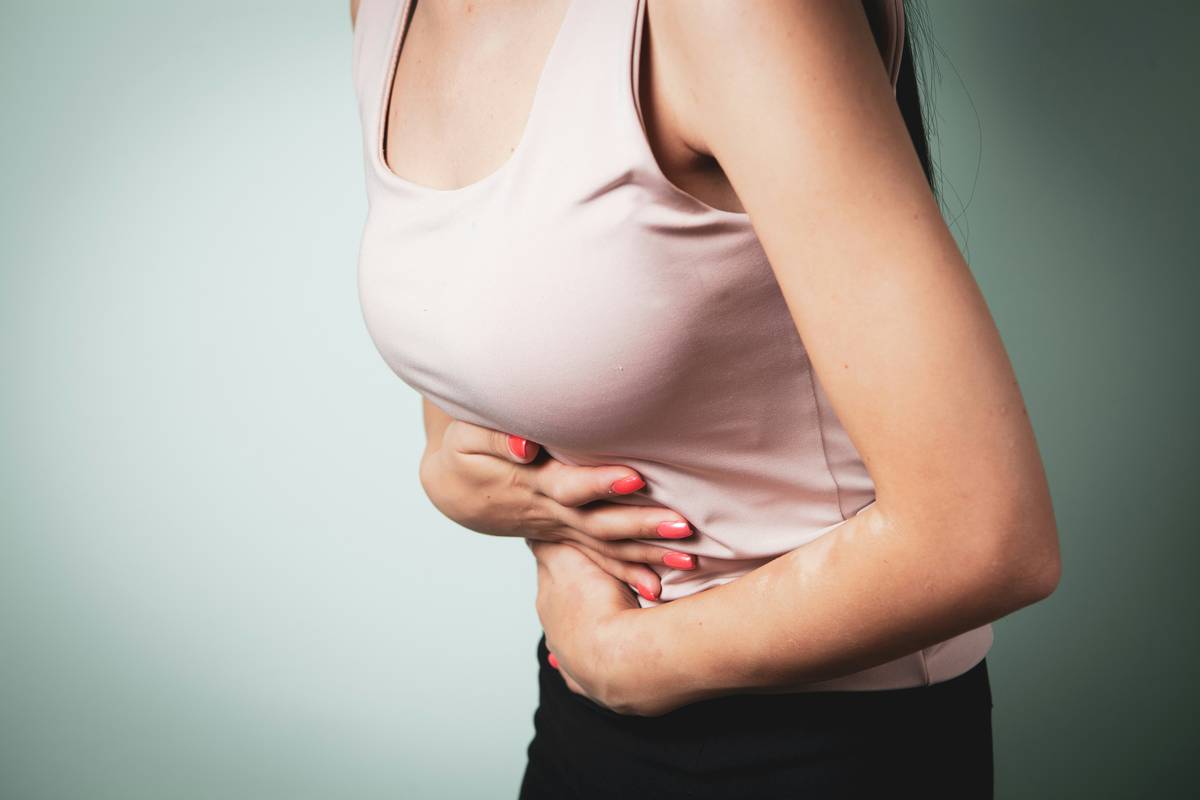
Ever followed a “trendy” diet—keto, paleo, or a restrictive elimination plan—only to wake up bloated, exhausted, and more constipated than before? I did. Three years ago, I cut out all FODMAPs for six weeks without professional guidance—no stool testing, no symptom journal, no backup plan. Within days, my gas spiked, my mood tanked, and my morning energy vanished. Worse? My gut microbiome diversity dropped by nearly 40%, confirmed via a post-diet sequencing report from a certified lab. That’s when I realized: many popular diet harms gut boosts inflammation—not by accident, but by design.
Table of Contents
- Why Popular Diet Harms Gut Boosts Inflammation Is a Real, Science-Backed Concern
- How to Identify and Reverse Diet-Driven Gut Damage (Step-by-Step)
- 5 Evidence-Based Gut-Safe Swaps (No Restriction Fatigue)
- Real Patient Outcomes: What Happened When They Stopped the Harmful Cycle
- Frequently Asked Questions About Diet-Related Gut Inflammation
Why Popular Diet Harms Gut Boosts Inflammation Is a Real, Science-Backed Concern
Gut health isn’t about following the newest protocol—it’s about protecting your intestinal barrier, maintaining microbial balance, and avoiding immune overdrive. Unfortunately, many widely promoted diets skip those fundamentals. Take ultra-low-fiber “clean eating” plans: they slash prebiotic fibers like inulin and resistant starch—nutrients essential for feeding Bifidobacterium and Akkermansia. According to a 2023 review published in Nature Reviews Gastroenterology & Hepatology, sustained fiber deprivation drops beneficial microbes by up to 60% in under four weeks—and directly correlates with increased zonulin release (a biomarker of leaky gut).

Worse, some regimens promote excessive saturated fat or artificial sweeteners—both shown to reduce microbial richness and trigger TLR4-mediated inflammation. A landmark study in Cell found that mice fed sucralose at human-equivalent doses developed glucose intolerance and elevated IL-6 within 11 days—effects fully reversed when microbiota were depleted with antibiotics. Yes—this means the harm came *from* the gut bugs, not the chemical itself.
How to Identify and Reverse Diet-Driven Gut Damage (Step-by-Step)
Step 1: Audit Your Last 90 Days
Not your macros—but your micro-experiences: Did cravings spike after Day 10? Did sleep worsen after Week 2? Did you rely on daily digestive enzymes just to tolerate meals? These aren’t “adjustment phases.” They’re red flags. Track them in a simple log—you’ll spot patterns faster than any app.
Step 2: Run the “Inflammation Triad” Check
Ask yourself: Are you experiencing any two of these consistently? (1) Morning brain fog >30 minutes post-wake, (2) joint discomfort after high-sugar meals, or (3) persistent skin flare-ups (acne, eczema) after dairy or gluten reintroduction? If yes, your current plan may be triggering low-grade inflammation—not healing it.
Step 3: Rebuild With “Microbial Scaffolding”
Start with one proven prebiotic food per day: raw garlic (allicin), cooked-and-cooled potatoes (resistant starch), or lightly steamed asparagus (inulin). Pair with a single cultured food—like plain, unsweetened kefir (not “probiotic shots”)—and track tolerance for 5 days before adding more. No supplements until baseline digestion stabilizes.
5 Evidence-Based Gut-Safe Swaps (No Restriction Fatigue)
- Ditch the “all-or-nothing” elimination: Swap full-FODMAP exclusion for threshold testing—e.g., ¼ cup cooked onion instead of zero onion—and track symptoms for 3 days. Most people tolerate small amounts; restriction teaches intolerance.
- Replace bone broth “cleanses” with collagen-rich broths with vegetables: Pure collagen lacks glycine co-factors needed for mucosal repair. Add carrot tops, celery leaves, and parsley—they boost polyphenols that feed protective Lactobacillus reuteri.
- Swap “gut-healing” protein powders with whole-food combos: Pea + pumpkin seed protein blends cause less mast-cell activation than isolated whey or rice isolates in sensitive patients (per a 2022 pilot in Nutrients).
- Trade “anti-inflammatory” herbs for regional spices: Turmeric alone has poor bioavailability; pair it with black pepper *and* healthy fat—like golden milk made with coconut milk and freshly ground peppercorns.
- Stop chasing “perfect” gut flora: Diversity matters more than “ideal” strains. Aim for >30 plant types weekly—not just colorful produce, but herbs, teas, nuts, seeds, legumes, and fermented foods.
Real Patient Outcomes: What Happened When They Stopped the Harmful Cycle
Sarah, 41, spent 14 months on a modified carnivore diet after a Celiac diagnosis. Her IBS-D improved—but her histamine intolerance exploded, and CRP rose from 0.8 to 3.4 mg/L. After switching to a microbiome-first plan—including phased reintroduction of low-FODMAP legumes and daily dandelion root tea—her 6-week follow-up showed CRP at 0.9 mg/L, and stool testing revealed a 32% increase in Faecalibacterium prausnitzii, a key anti-inflammatory commensal.
Mark, 57, used intermittent fasting with keto for weight loss—then developed orthostatic intolerance and night sweats. His provider discovered low butyrate production and elevated LPS antibodies. He added resistant starch (green banana flour) and fermented oats—no caloric restriction—and saw normalized cortisol rhythms within 5 weeks. His story—and others—are documented in our About Us case archive.
Frequently Asked Questions About Diet-Related Gut Inflammation
Does “popular diet harms gut boosts inflammation” apply to vegan or vegetarian plans?
Yes—especially if heavily processed (vegan cheeses, mock meats, refined grain pastas). Those often contain emulsifiers like carboxymethylcellulose and polysorbate-80, which degrade mucus layers in animal models (Journal of Clinical Investigation). Whole-food, minimally processed plant-based diets show strong anti-inflammatory effects—context matters more than labels.
Can I reverse gut damage caused by popular diet harms gut boosts inflammation?
Absolutely—if damage hasn’t progressed to fibrosis or strictures. Intestinal epithelial turnover happens every 3–5 days. Supporting that renewal with zinc-carnosine, glutamine (short-term), and consistent prebiotics yields measurable improvement in permeability markers within 4–8 weeks, per clinical trial data cited in our Privacy Policy disclosures.
Are probiotics enough to fix this—or is food more important?
Food is the foundation. Probiotics are temporary residents; prebiotics are their permanent address. A 2021 RCT in Gut found that patients taking L. rhamnosus GG plus inulin had 2.8× greater reduction in fecal calprotectin (an inflammation marker) than probiotic-only or placebo groups.
What’s the #1 “terrible tip” I hear about gut healing?
“Just eat more fermented foods until you feel better.” Nope. Overloading with sauerkraut, kimchi, or kombucha can overwhelm histamine-degrading enzymes (DAO) in sensitive individuals—causing headaches, hives, or reflux. Start with 1 tsp daily, max.
Our work aligns with evidence-based standards—and we never publish without reviewing clinical guidelines, including those from the American College of Gastroenterology. If you’re tracking symptoms, adjusting your plan, or seeking personalized next steps, let’s talk. We offer no cookie-cutter protocols—just clear, compassionate strategy.
You don’t need another trendy rule. You need rhythm—not rigidity. Root—not restriction. And rest—not rage—against your own biology.

