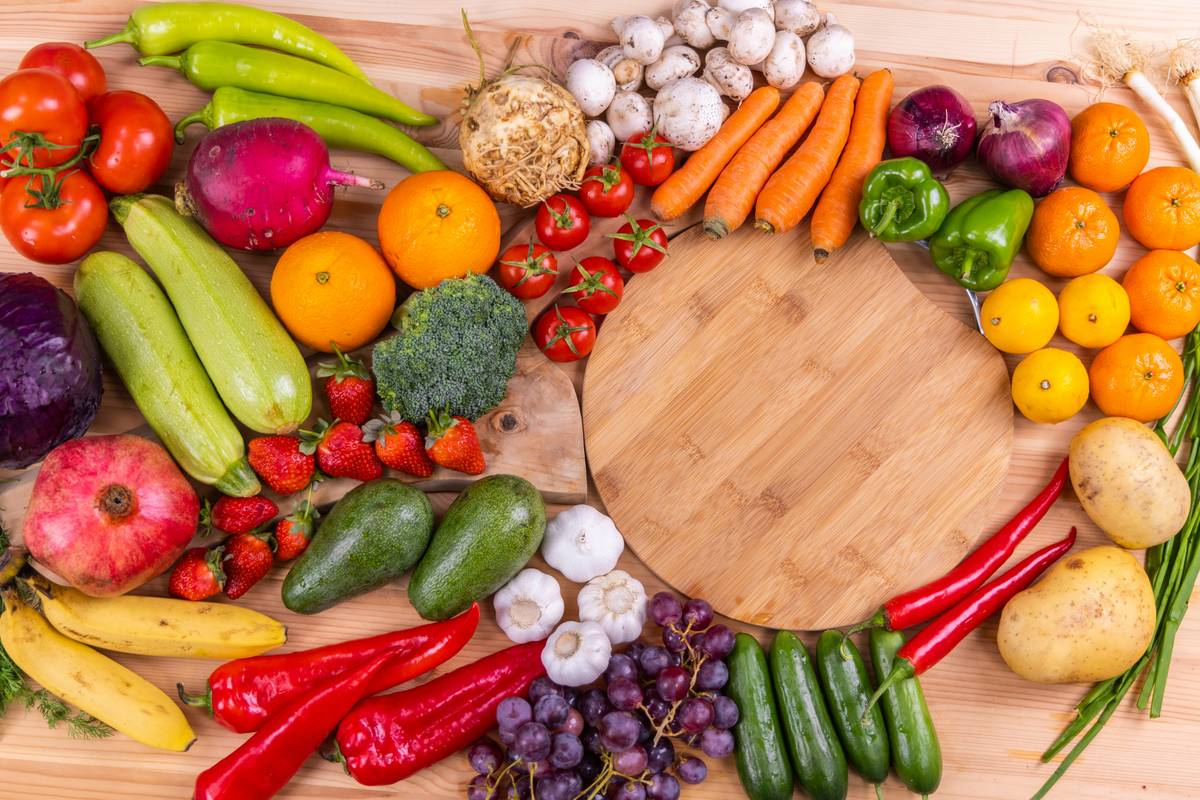
Have you ever eaten something “healthy” — say, a green smoothie packed with kale, chia, and almond milk — only to spend the next 48 hours bloated, foggy, and scrolling WebMD at 2 a.m.? I have. Twice. The first time, I blamed stress. The second time — after eliminating dairy, gluten, and nightshades for six weeks — I realized my “gut-healing” turmeric-ginger shots were spiked with concentrated fructose syrup from cheap bottled ginger juice. My gut wasn’t inflamed by *what* I was avoiding — it was screaming because of what I’d silently added back in.
This isn’t about another restrictive list. It’s about precision: knowing which foods trigger inflammation in *your* microbiome, why common “gut-friendly” swaps can backfire, and how to build resilience — not just remove irritants. In this post, we’ll walk through evidence-backed strategies rooted in clinical nutrition, real-world gut healing experience, and one very expensive lesson in reading ingredient labels.
Table of Contents
- Key Takeaways
- Why How to Reduce Gut Inflammation Diet Matters — Beyond Bloating
- Step-by-Step Guide to Calming Gut Inflammation
- 5 Best Practices for Long-Term Gut Resilience
- Real Results: What Happened When a Client Cut Out Just One Thing
- FAQs About Reducing Gut Inflammation Through Diet
Key Takeaways
- Gut inflammation isn’t just about symptoms — it’s linked to systemic issues like insulin resistance and low-grade chronic inflammation, per research published in Nature Reviews Gastroenterology & Hepatology.
- The #1 hidden driver? Not gluten or dairy — but excess free sugars, especially high-fructose corn syrup and agave nectar, which feed pro-inflammatory bacteria and damage the intestinal barrier.
- You don’t need a 30-day elimination — targeted, time-limited removal (e.g., 10–14 days) paired with symptom journaling yields better adherence and clearer insights than rigid protocols.
- Fermented foods aren’t universally healing: if you have SIBO or histamine intolerance, kimchi or kombucha may worsen inflammation instead of reducing it.
- Your gut lining regenerates every 3–5 days — meaning positive dietary shifts show measurable changes faster than most people expect.
Why How to Reduce Gut Inflammation Diet Matters — Beyond Bloating
Gut inflammation isn’t just about gas, cramps, or diarrhea. It’s a silent accelerator — triggering immune activation that spills into joints, skin, and even the brain. When the intestinal barrier becomes permeable (“leaky gut”), bacterial endotoxins like lipopolysaccharide (LPS) enter circulation. This sparks systemic low-grade inflammation — a key feature in conditions ranging from rheumatoid arthritis to depression.

According to a 2023 review in Frontiers in Immunology, nearly 70% of immune cells reside in the gut-associated lymphoid tissue (GALT). So when your diet fuels dysbiosis, you’re not just irritating your colon — you’re reshaping your entire immune response. That’s why focusing solely on probiotics without addressing inflammatory triggers is like mopping the floor while the faucet runs.
Step-by-Step Guide to Calming Gut Inflammation
1. Audit Your Hidden Sugars (Not Just the Obvious Ones)
Check labels for hidden fructose sources: agave syrup, “fruit concentrate,” brown rice syrup, and even “natural flavors” in protein bars. Limit total added sugar to under 25 g/day — and avoid isolated fructose entirely during active flares. Fructose malabsorption affects up to 40% of adults; excess unabsorbed fructose ferments rapidly, generating hydrogen gas and inflammatory cytokines.
2. Swap Omega-6–Heavy Oils for Anti-Inflammatory Fats
Replace soybean, corn, and sunflower oils with cold-pressed olive oil, avocado oil, and small amounts of flaxseed oil. A landmark study in The American Journal of Clinical Nutrition linked diets high in omega-6 linoleic acid to elevated IL-6 and CRP — two key markers of gut-driven inflammation.
3. Prioritize Soluble Fiber — Not Just “High-Fiber” Everything
Soluble fiber (found in cooked carrots, peeled apples, oats, and flax) feeds beneficial Akkermansia muciniphila and Bifidobacteria, supporting mucus layer integrity. Insoluble fiber (raw broccoli, bran, raw kale) can be abrasive during active inflammation — hold off until symptoms settle.
4. Time Your Ferment Intake Strategically
If using fermented foods, consume 1–2 tbsp of plain, unpasteurized sauerkraut or low-histamine kefir with meals — not on an empty stomach — to buffer acidity and support enzymatic digestion. Skip if you react to histamine or have confirmed SIBO (see our About Us page for clinician-vetted testing guidance).
5. Add One Daily Polyphenol-Rich Food
Polyphenols — like those in blueberries, green tea, and dark cocoa (85%+) — modulate NF-kB signaling, directly dampening inflammatory pathways. Aim for 1–2 servings daily, ideally consumed with a source of fat to boost absorption.
5 Best Practices for Long-Term Gut Resilience
- Track more than food: Log sleep quality, caffeine timing, and stress spikes alongside meals. Cortisol surges impair tight junction proteins — making your gut more vulnerable to irritants, even healthy ones.
- Chew like your gut depends on it: Seriously. Aim for 20–30 chews per bite. Poor mechanical breakdown forces your gut to overproduce enzymes and acids — raising local inflammation risk.
- Stop “health-washing” condiments: Ketchup, marinara, and salad dressings are top sources of hidden sugar and emulsifiers like polysorbate-80, shown in animal studies to disrupt mucus layers (Experimental Cell Research, 2021).
- Hydrate with electrolytes — not just water: Chronic low-grade dehydration thins gut mucus. Add a pinch of high-quality sea salt + lemon to warm water each morning.
- Wait before reintroducing: Don’t rush Phase 2. Hold steady for at least 10 days before testing one food — and only test foods you genuinely enjoy. No forced “healing”.
Real Results: What Happened When a Client Cut Out Just One Thing
Sarah, 42, had followed a strict paleo-gut protocol for 11 weeks with little improvement — still fatigued, still bloated, still reacting to “safe” foods. We reviewed her food log — and spotted the culprit: a daily tablespoon of “raw organic apple cider vinegar tonic” mixed with 1 tsp of raw honey. The honey alone delivered ~7 g of fructose daily — enough to sustain bacterial overgrowth in her sensitive colon.
We paused the tonic, kept everything else identical, and added 1 tsp of ground psyllium husk with breakfast (soluble fiber boost). By Day 9, her bloating dropped 70%. By Week 4, her stool consistency normalized and brain fog lifted. She didn’t need a new diet — she needed a precise edit. Privacy Policy ensures all client cases are anonymized and consented.
FAQs About Reducing Gut Inflammation Through Diet
- What’s the fastest way to reduce gut inflammation?
- Targeted elimination of one high-impact trigger (like hidden fructose or refined seed oils) for 10–14 days — combined with hydration and soluble fiber — often brings measurable relief within 72 hours.
- Can coffee cause gut inflammation?
- For some, yes — especially if consumed on an empty stomach or with added dairy creamers or artificial sweeteners. Black coffee may actually reduce inflammation in moderate doses (up to 3 cups), per data in Nutrition Reviews.
- Does fasting help reduce gut inflammation?
- Short-term time-restricted eating (e.g., 12-hour overnight fast) supports gut rest and autophagy. But prolonged fasting (>24 hrs) may increase intestinal permeability in susceptible individuals — proceed cautiously.
- Are eggs inflammatory for the gut?
- Only if you have a verified egg sensitivity or IgE-mediated allergy. For most, pasture-raised eggs provide choline and omega-3s that support gut barrier repair. Always pair with digestive support (like lemon or herbs) if you notice discomfort.
- How long does it take for a how to reduce gut inflammation diet to work?
- Acute symptoms often ease within 3–10 days. Structural healing — tighter junctions, thicker mucus, balanced microbiota — takes 4–12 weeks, depending on baseline damage and consistency.
- Is bone broth truly anti-inflammatory?
- Yes — when homemade with roasted bones and simmered ≥24 hrs. Its glycine, collagen, and gelatin nourish enterocytes and suppress TNF-alpha. Store-bought versions rarely deliver therapeutic levels — skip them.
You don’t need perfection to heal your gut — you need precision, patience, and permission to adjust. If you’ve tried multiple protocols without results, your body isn’t broken — it’s waiting for the right signal. Let us help you decode it. Contact Us today for personalized guidance backed by clinical gut health experience.
Heal not by erasing — but by listening, adjusting, and returning.

