If you’ve ever doubled over after dinner wondering, “Why does my gut hate me?”—you’re not alone. Millions struggle with bloating, irregularity, and fatigue tied to a compromised gut lining. The good news? Your plate holds powerful healing potential. In this guide, we’ll walk through science-backed foods for gut healing, practical steps to rebuild your microbiome, and one major mistake I made that set my recovery back months. Let’s turn your kitchen into a gut-repair clinic.
Table of Contents
- Why Gut Healing Matters (And Why Most Diets Fail)
- Your Step-by-Step Gut Healing Plan
- Best Practices for Lasting Results
- Real-World Success Stories
- Frequently Asked Questions
Key Takeaways
- Prioritize diverse, fiber-rich plant foods to feed beneficial gut bacteria.
- Fermented foods like kefir and sauerkraut deliver live probiotics critical for repair.
- Avoid ultra-processed items—even “healthy” ones—that damage the gut lining.
- Healing takes consistency: most see improvement in 4–8 weeks with targeted nutrition.
- Personalization matters; what works for one person may irritate another.
Why Gut Healing Matters (And Why Most Diets Fail)
Your gut isn’t just a digestion tube—it’s your immune command center, hormone regulator, and even mood influencer. When the intestinal barrier weakens (“leaky gut”), undigested particles slip into the bloodstream, triggering inflammation linked to conditions from eczema to autoimmune disorders. According to the National Institutes of Health, up to 70% of immune cells reside in the gut-associated lymphoid tissue (GALT), underscoring its systemic importance [NIH, 2019].
I once tried a trendy “cleanse” full of green juices and bone broth—only to end up with worse bloating. Why? I skipped prebiotic fibers that feed good bacteria and overloaded on histamine-rich fermented foods too soon. My gut wasn’t ready. That crash taught me: healing requires balance, not extremes.
Your Step-by-Step Gut Healing Plan
Phase 1: Remove Irritants
Start by cutting common offenders: refined sugar, industrial seed oils, and artificial sweeteners like sucralose. These disrupt microbial balance and erode the gut lining. Gluten and dairy may also be culprits if you’re sensitive—try eliminating them for 3–4 weeks.
Phase 2: Reintroduce Key Healers
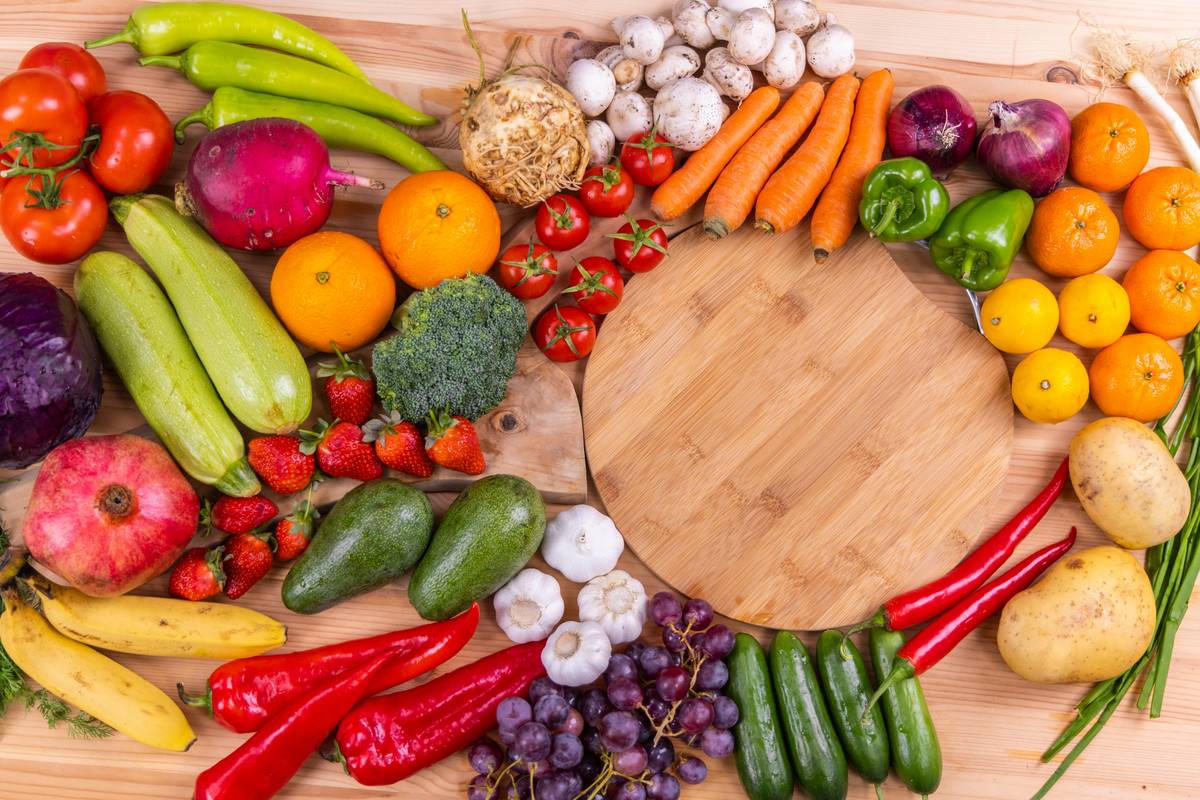
Now add strategic foods for gut healing. Begin with gentle prebiotics: cooked carrots, zucchini, and oats. Then layer in probiotic sources like unsweetened kefir or refrigerated sauerkraut (not vinegar-pickled). Bone broth provides collagen and glycine, which support mucosal repair.
Phase 3: Diversify for Resilience
Aim for 30+ different plant foods weekly—fruits, veggies, legumes, nuts, seeds. Diversity breeds microbial richness, a hallmark of gut health confirmed by the American Gut Project [Microbiome Journal, 2018]. Rotate your sources to avoid sensitivities.
Best Practices for Lasting Results
- Chew thoroughly: Digestion starts in your mouth. Rushing meals overwhelms your gut.
- Time your ferments: Consume probiotic foods on an empty stomach for better bacterial survival.
- Avoid the “miracle food” trap: No single superfood fixes everything. Consistency across your whole diet wins.
- Hydrate smartly: Drink water between meals—not during—to avoid diluting stomach acid.
- Track symptoms: Use a journal to spot patterns (e.g., “bloating after almonds”).
Terrible tip alert: Don’t megadose on probiotic supplements without professional guidance. More isn’t always better—some strains can worsen SIBO or histamine intolerance.
Real-World Success Stories
Sarah, 34, struggled with chronic diarrhea and fatigue for years. After eliminating processed foods and adding 2 servings daily of varied foods for gut healing—including kimchi, flaxseeds, and stewed apples—she reported 80% symptom reduction in 6 weeks. Her stool tests later showed a 40% increase in Faecalibacterium prausnitzii, a key anti-inflammatory bacterium.
Clinical trials back this up. A 2022 randomized controlled study found participants eating a high-fiber, fermented-food-rich diet for 10 weeks significantly reduced inflammatory markers like IL-6 and increased microbiome diversity compared to controls (Cell, 2021).
Frequently Asked Questions
What are the top 5 foods for gut healing?
Top choices include: 1) Kefir (probiotics), 2) Oats (beta-glucan fiber), 3) Ginger (anti-inflammatory), 4) Cooked apples (pectin), and 5) Garlic (prebiotic inulin). Always introduce gradually.
How long does it take to heal your gut with diet?
Most notice improvement in 2–4 weeks, but full healing can take 3–6 months depending on severity. Consistency is non-negotiable.
Are bananas good for gut healing?
Yes—if ripe. Green bananas contain resistant starch (great for some), but ripe bananas offer gentle pectin that soothes the lining without feeding harmful bacteria.
Can I eat eggs on a gut healing diet?
Generally yes, unless you have an egg allergy or sensitivity. Pasture-raised eggs provide choline and phospholipids that support cell membranes in the gut.
Should I avoid all grains?
No. While gluten-containing grains may irritate some, gluten-free options like rice, quinoa, and oats (certified GF) are often well-tolerated and nourishing.
Conclusion
Healing your gut isn’t about perfection—it’s about persistent, thoughtful choices. Focus on real, diverse, minimally processed foods that nurture your microbiome day after day. If you’re overwhelmed or not seeing progress, don’t suffer in silence. Reach out—we’ve walked this path ourselves and would love to help. Contact us today for personalized support.
Curious who’s behind this advice? Learn more about our mission on the About Us page. And remember: your data stays yours—see our full commitment in the Privacy Policy.
Gut healed, life revealed—one mindful bite at a time.